
Clinics and medical institutions
In a medical setting a power cut is not an inconvenience, it is a risk. An interrupted treatment, an imaging unit that shuts down mid-scan and a records system that drops are clinical and legal problems, not IT ones.
The cost of a power cut in a clinic
The difference between a clinic and an ordinary office is that an outage can affect the patient directly. An in-progress treatment is interrupted, an imaging device cuts out suddenly, and records and booking systems drop — all with real clinical and legal consequences. The medical environment adds its own requirements: batteries must not smell or leak, equipment has to be easy to clean, and nothing may obstruct a walkway.
What we usually protect
- Treatment and therapy equipment — dental chairs, ophthalmic instruments, physiotherapy equipment and similar
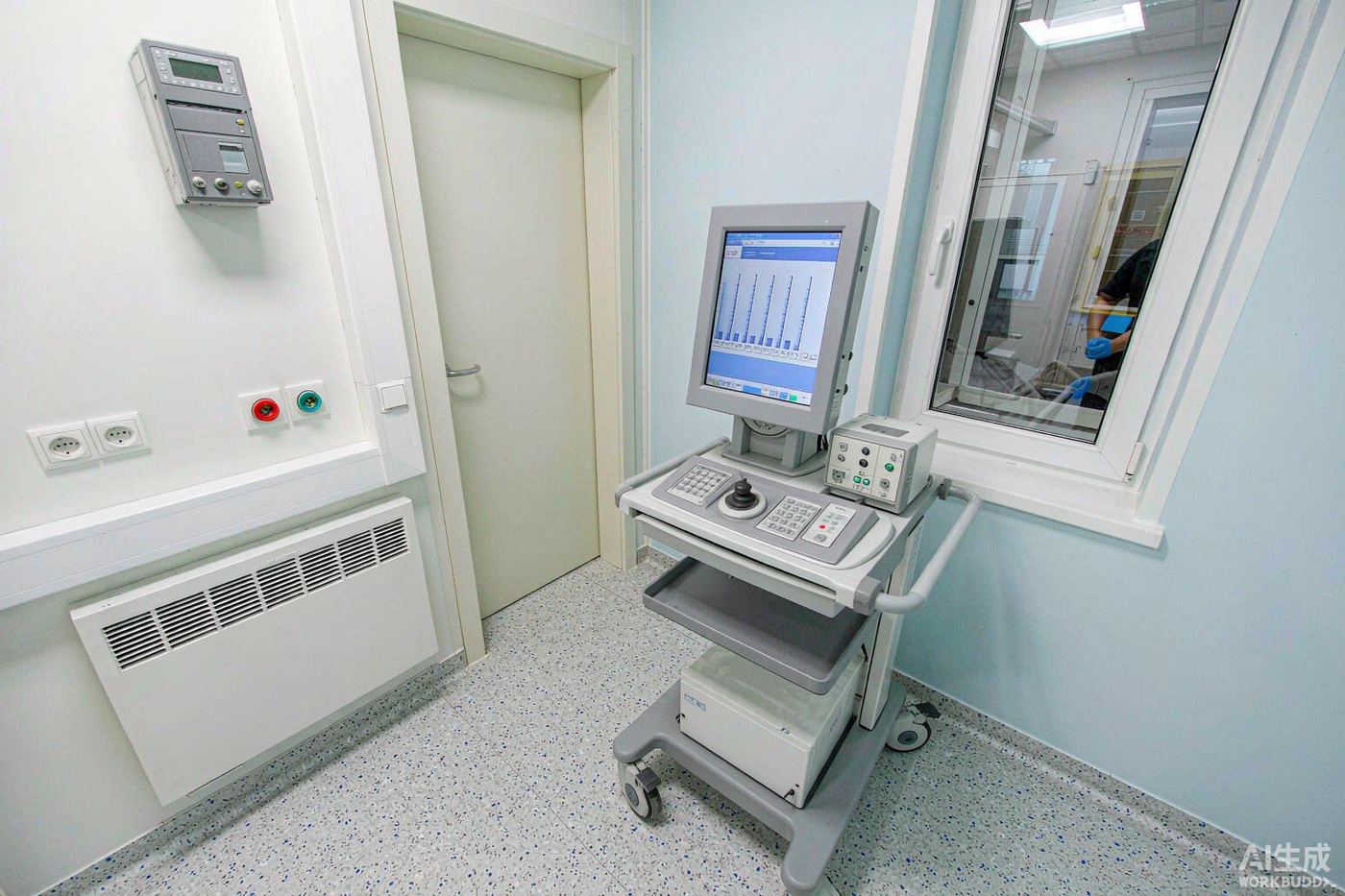
- Imaging and laboratory equipment — X-ray, ultrasound, endoscopy, analysers
- Records and booking systems, clinic management servers
- Access control, CCTV and emergency lighting
What we pay attention to when sizing
- Inrush current — some medical devices contain compressors or high-voltage supplies that draw far more than rated current at start-up; capacity is calculated from the actual characteristic.
- Tiered runtime — which devices only need to ride through a flicker, which must reach a safe shutdown, and which must last until a generator takes over. Not every device needs the largest battery.
- Cleanliness and safety — sealed maintenance-free batteries are preferred; lithium options are checked against the ventilation and location rules of the premises.
- Clear routes — the position of equipment and battery cabinets is matched to the real floor plan and fire requirements.
Who we work with
GP clinics, dental practices, eye and specialist clinics, Chinese medicine clinics, laboratories, veterinary clinics, physiotherapy centres and small day-medical centres.
Contact us with your equipment list, or message us on WhatsApp and an engineer will work out the configuration.