
LiFePO4 battery packs
Half the weight and volume, two to three times the cycle life — lithium is usually the better total-cost answer, provided the charging side is matched.
Series we supply3
| Series | Power | Type | Notes |
|---|---|---|---|
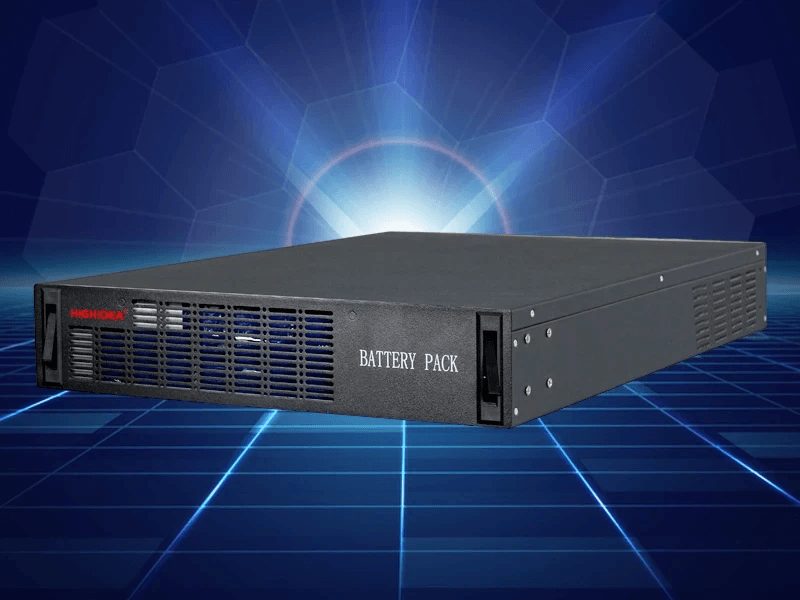 LD4830 LD4830
|
48 V, by capacity | LiFePO4 battery pack | Requires a matching BMS and charging profile; machine rooms, vehicles, tight spaces |
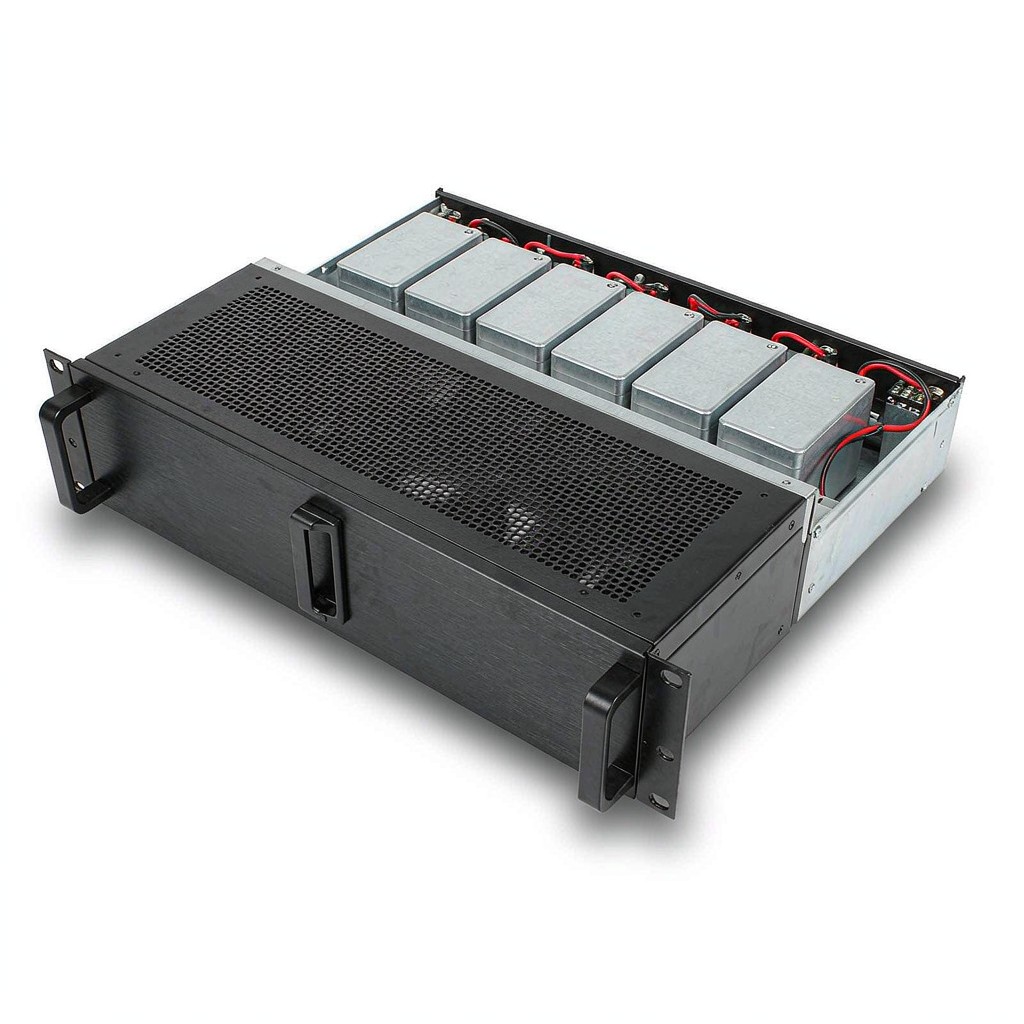 SPRM1KL battery pack SPRM1KL battery pack
|
36 V | UPS battery pack | Rack-mount UPS battery replacement, six 12 V 9 Ah blocks inside |
| Battery management module (BMS) | LiFePO4 accessory | For LiFePO4 packs — over-charge, over-discharge and temperature protection |
Linked series open a full page with the model list, ratings and downloadable datasheets. Models not listed can also be supplied. Capacity and battery sizing should be calculated by an engineer against the actual load — never from the nameplate rating alone.
Why lithium wins in the right application
Not "newer is better" — three specific engineering advantages:
- Size and weight. At the same capacity, roughly half the volume and far less weight. In a tight cabinet or on a weight-limited floor, this is frequently the deciding factor.
- Cycle life. Two to three times the cycles of VRLA — decisive where batteries cycle daily rather than sitting on float.
- Flat discharge curve. Voltage sags less during discharge, so runtime estimates hold up in practice.
Lithium also tolerates higher discharge currents, which suits high power-density rack deployments.
Three things to confirm before switching
Swapping a lead-acid string for lithium is not a drop-in exercise. If the host UPS was designed for lead-acid, check all three:
| What to confirm | Why it matters |
|---|---|
| Charge voltage and profile | Lead-acid and lithium charge curves are completely different. Wrong parameters mean undercharged packs or overcharge — shortened life at best, a safety event at worst |
| Host compatibility | Some UPS models support lithium only with manufacturer configuration; not every unit can be converted |
| BMS completeness | Over-charge, over-discharge, over-current and temperature protection, plus cell balancing — all required, none optional |
This is where most lithium upgrades go wrong. Our order of operations is fixed: confirm host compatibility first, size the pack second, discuss price last.
What we supply
- LD4830 — our own 48 V LiFePO4 pack for machine rooms, vehicles and tight spaces; requires a matched BMS and charge profile
- SPRM1KL replacement pack — a drop-in 36 V pack for rack UPS units originally fitted with six 12 V 9 Ah blocks
- Custom packs — built to specification in our Shenzhen factory: voltage, capacity, form factor, BMS parameters and cabinet integration
Safety and compliance
Transport and storage of lithium batteries are regulated; installation sites need ventilation and thermal planning; end-of-life packs go to licensed recyclers. We state the transport, installation and disposal arrangements at proposal stage, so the full cost is known before you sign.
More in Batteries and battery packs
Other options in the same category — comparing them side by side saves a round of questions.