
LD4830 48 V LiFePO4 battery pack
A lithium option for 48 V systems — lighter, smaller and longer-lived, provided the BMS and the charging design are right from the start.
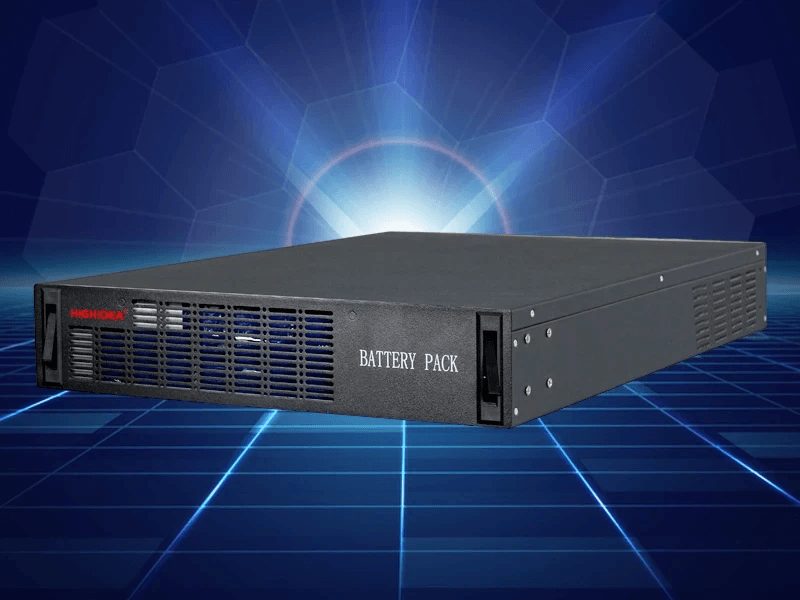 Product photo
- Brand
- THTAK (our own line)
- Type
- LiFePO4 battery pack (48 V)
- Typical use
- Machine rooms, vehicles, space-constrained sites
- Models covered
- LD4830 (48 V LiFePO4 pack, by capacity)
- Category
- Batteries and battery packs / LiFePO4 battery packs
Three conditions for a 48 V lithium installation
1. The charging design has to match. This is the most commonly overlooked item and the one with the worst consequences. A lead-acid charger and a lithium charging profile are not the same thing, and mixing them causes either undercharging — the pack sits permanently below full, accelerating fade — or overcharging, which is a safety risk. When converting an existing system, confirm the charging equipment supports it.
2. The BMS is not optional. The BMS monitors each cell string and provides protection. Without it, a lithium pack has no safety barrier. A proper scheme includes over-charge protection, over-discharge protection, over-temperature protection, short-circuit protection and, where needed, cell balancing.
3. System communications have to be compatible. If the BMS is to communicate with the UPS or a monitoring system, the protocol has to match; otherwise you are limited to independent monitoring, with no integrated alarm.
When lithium, and when lead-acid
| Condition | Leans towards |
|---|---|
| Space or floor loading constrained | Lithium — the size and weight advantage is significant |
| High ambient temperature | Lithium — better heat tolerance |
| Frequent cycling (solar, vehicle) | Lithium — long cycle life |
| Budget first, plenty of room | Lead-acid — lower initial cost |
| Converting an old system with old chargers | Assess the conversion cost first |
We do not push lithium automatically. If the site suits lead-acid and the budget is limited, a lead-acid scheme is the more practical answer. The question is which problem you actually have, not which technology is newer.
What we provide
Load and capacity calculation, pack and BMS configuration, installation and fixing, confirmation or replacement of the charging equipment, system communications integration, and testing and acceptance. If you are converting from lead-acid we carry out a full compatibility assessment first, so that charging or communications problems do not appear only after installation.
Key features
- LiFePO4 chemistry, with better thermal stability
- 48 V system voltage, matching common telecom and machine-room DC architectures
- Clearly smaller and lighter than lead-acid at the same capacity
- Long cycle life, so fewer replacements
- Requires a BMS for over-charge, over-discharge, over-temperature and short-circuit protection
Where it fits
Space or floor-loading limits
A large reduction in volume and weight at the same capacity, for sites that cannot extend the battery room.
Vehicles and mobile equipment
Lower vehicle weight, with tolerance of vibration and temperature swings.
Sites needing a long replacement cycle
Long cycle life means fewer replacements and less work.
Frequently asked questions
Can a 48 V lithium pack simply replace a lead-acid string?
What does the BMS do, and can I do without it?
Where should it be installed?
Related models & accessories
THTAK ET1 series
Swap a shelf of lead-acid blocks for one light, compact, long-lived lithium pack — built into the UPS rather than bolted on.
View detailsH1-10K rack inverter
A dedicated DC-to-AC unit. The number that decides whether it works is not the rated power — it is the start-up surge it can absorb.
View detailsLEOCH OPzV series
When replacing the battery costs more than the battery, the durable class starts to pay for itself.
View detailsSpecifications
| Nominal voltage | 48 V |
|---|---|
| Capacity | By model — confirm with us |
| Type | LiFePO4 |
| Protection | A BMS is mandatory (over-charge / over-discharge / over-temperature / short circuit) |
| Cycle life | Clearly longer than lead-acid, depending on use |
| Mounting | Rack-mount or a custom battery cabinet |
| Charging | A charger with the matching profile — a lead-acid charger must not be reused |
| Typical applications | Machine-room UPS, telecom DC systems, vehicles, space-constrained sites |
Specifications follow the manufacturer's latest data. Actual configuration must be sized against the site load, required runtime and distribution environment — this table is for selection reference only.