
C&D LBTY series long-life batteries
The value of a long-life specification is not on the datasheet — it is in the answer to how many times you replace it in ten years.
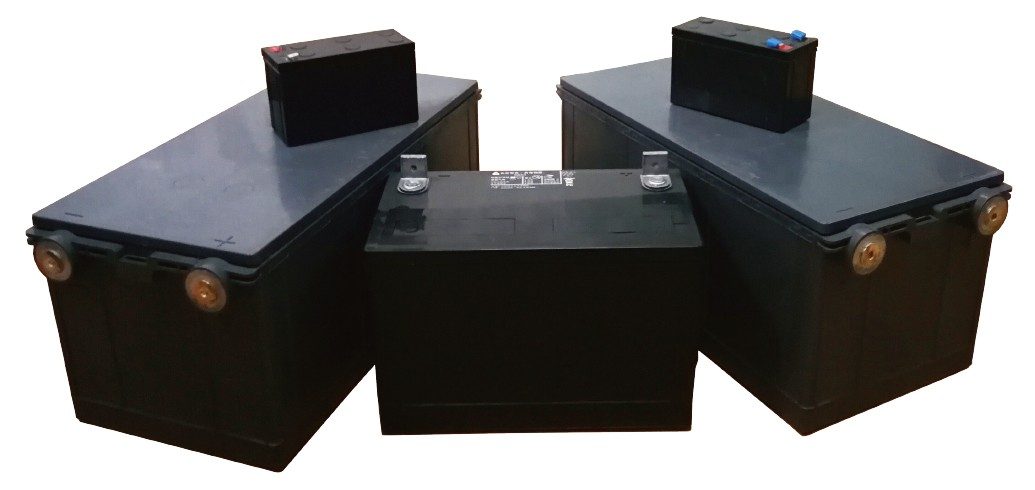 Product photo
- Brand
- C&D Technologies
- Type
- Valve-regulated lead-acid (long-life)
- Typical use
- Machine-room UPS, long-cycle backup systems
- Models covered
- C&D LBTY series (12 V, by capacity)
- Category
- Batteries and battery packs / VRLA / AGM batteries
Before buying long-life batteries, check the environment
This is the question we always ask before quoting: where will the batteries go, and how warm is it there?
The reason is simple — lead-acid life is extremely sensitive to temperature:
| Ambient temperature | Rough effect on life |
|---|---|
| 25 °C (ideal) | The baseline for the design life |
| 30 °C | Noticeably shorter |
| Above 35 °C | Possibly half the design value or less |
So buying long-life batteries for a stuffy plant room is spending money where it will be discounted. In that situation, improving ventilation or air-conditioning usually returns more than upgrading the battery specification. We will tell you honestly which of the two is worth doing.
One consistent maintenance routine
Whichever battery you use, effective maintenance is the same set:
- Every year: measure terminal voltage and internal resistance, and find the blocks that have drifted.
- Every 1–2 years: an actual discharge test to establish the real capacity.
- Continuously: keep the figures in a record so the trend is visible.
- In good time: plan a full string replacement once measured capacity drops below 80% of the original.
The value of that routine is turning sudden failure into planned replacement. For a site that cannot stop, that is the difference between an emergency call-out and planned maintenance.
What we provide
Sizing, installation including a loading and cooling assessment, annual testing, full-string replacement, old battery collection, and records on handover. If you manage several sites, we can use one report format so they can be compared.
Key features
- Long-life design; float service life longer than a standard AGM
- Suits sites where replacement is awkward or needs a shutdown
- Valve-regulated and maintenance-free, for cabinets and equipment rooms
- Good batch consistency, suitable for multiple parallel strings
- For machine-room UPS, telecom equipment and long-cycle backup
Where it fits
Machine-room UPS strings
Replacement carries a cost; long life reduces how often it happens.
Multi-string systems
Good consistency suits an architecture that runs strings in parallel.
Sites that are hard to service often
Maintenance-free operation reduces routine manpower.
Frequently asked questions
DNTY or LBTY — which should I choose?
Will a long-life battery really last 8–10 years?
How do I know when to replace them?
Related models & accessories
C&D DNTY series
A battery specification built for places that cannot go dark — a common choice in telecom and critical infrastructure.
View detailsCSB GPL series
A long-life specification built for machine-room UPS strings — the difference is not at the start, it is whether you replace them again a few years later.
View detailsLEOCH OPzV series
When replacing the battery costs more than the battery, the durable class starts to pay for itself.
View detailsSpecifications
| Voltage | 12 V (per block) |
|---|---|
| Capacity range | By model — confirm with us |
| Type | Valve-regulated lead-acid (long-life AGM) |
| Design life | Around 8–10 years on float in good conditions |
| Maintenance | No topping up; check terminal voltage and internal resistance annually |
| Installation | Confirm loading, cooling clearance and cable routing |
| Typical equipment | Machine-room UPS, telecom equipment, long-cycle backup systems |
Specifications follow the manufacturer's latest data. Actual configuration must be sized against the site load, required runtime and distribution environment — this table is for selection reference only.
Specification sheets follow the latest manufacturer revision. For other technical documents, ask us and we will send them over.