
LEOCH OPzV tubular gel batteries
When replacing the battery costs more than the battery, the durable class starts to pay for itself.
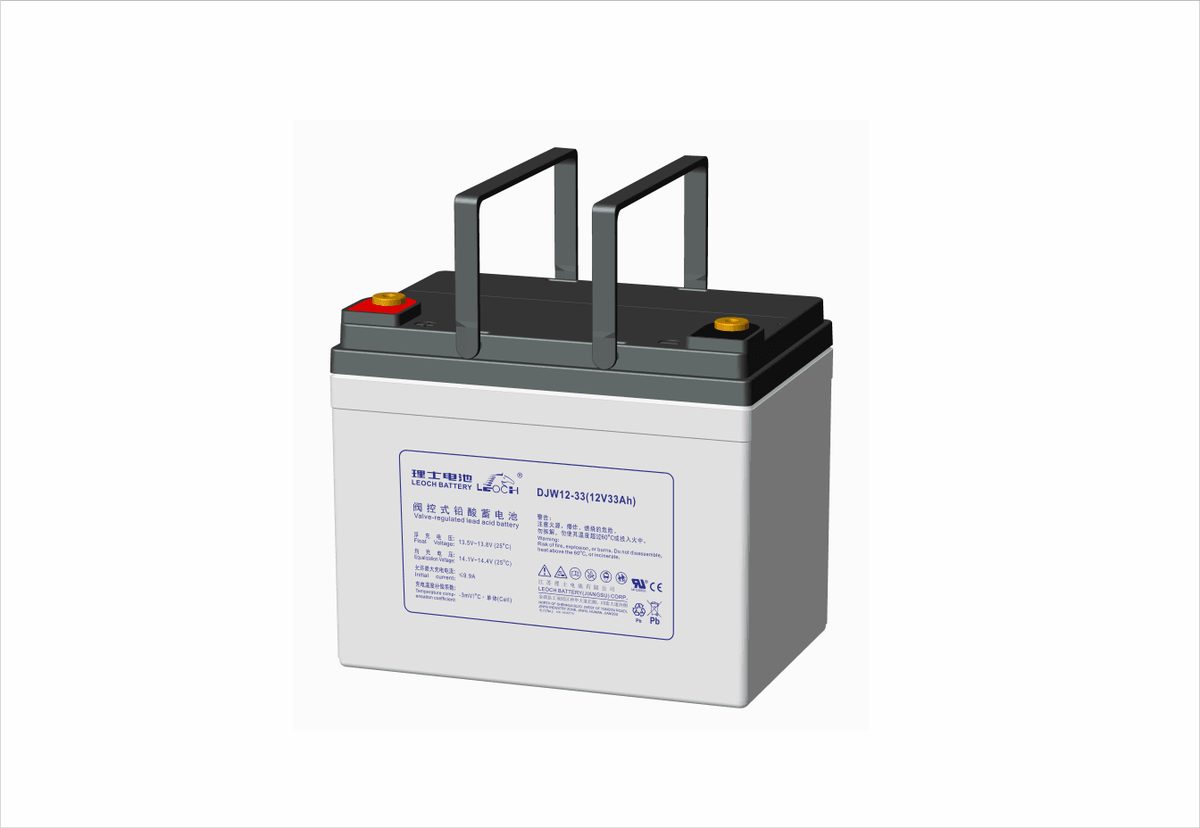 Product photo
- Brand
- LEOCH
- Type
- Tubular gel (long life)
- Typical use
- Telecom rooms, substations, solar, long-runtime backup
- Models covered
- LEOCH OPzV series (2 V tubular gel, by capacity)
- Category
- Batteries and battery packs / Tubular gel batteries
When to move from AGM to tubular gel
The logic is simple: look at where the cost sits.
| Your situation | Where to look |
|---|---|
| Air-conditioned room, easy maintenance, city-centre site | A standard AGM is enough; no need to spend more |
| A remote site where replacement needs people and a vehicle | OPzV's long life removes several replacements |
| A hot environment that cannot be improved | OPzV's heat tolerance converts into life |
| Daily cycling (solar, off-grid) | A type that tolerates deep discharge |
| Replacement needs a shutdown that affects the business | Reducing the number of replacements is worth a lot |
This is not a specification contest. Buying a durable battery that does not suit the application is overspending; buying a cheap one where durability was needed is spending twice.
Installation planning is more involved than you might expect
OPzV is normally built from 2 V cells in series, so:
- A dedicated battery rack or cabinet is needed, taking more floor area than the same capacity in small blocks.
- The layout has to leave access and service clearance — measuring and replacing later needs room.
- Connecting bars and terminals are selected to the current rating, with a specified tightening torque.
- Loading and ventilation have to be confirmed against the total weight and heat output.
This is system planning, not something that comes with the batteries. We include an installation scheme with the quotation.
Maintenance recommendations
- Measure cell voltage and internal resistance annually, and find the cells that have drifted.
- Run an actual discharge test every 1–2 years to establish the real capacity.
- Keep connections clean and tight to avoid rising contact resistance.
- Record ambient temperature changes, and improve ventilation or air-conditioning where needed.
Key features
- Tubular plates with a gel electrolyte — a design life clearly longer than a standard AGM
- Better heat tolerance, suited to warm rooms and outdoor sites
- Supports deep cycling, for solar and frequent charge-discharge duty
- Long cycle life, which extends the replacement interval considerably
- For sites where replacement is costly or maintenance is infrequent
Where it fits
Telecom sites and substations
Sites that are dispersed and awkward to service; long life cuts the maintenance frequency substantially.
Solar and off-grid systems
Daily cycling needs a battery type that tolerates deep discharge.
Hot environments
In poorly air-conditioned rooms or outdoor cabinets, heat tolerance converts directly into life.
Frequently asked questions
OPzV costs a lot more — when is it worth it?
Do ordinary machine rooms need it?
What does a 2 V cell mean?
Related models & accessories
LEOCH DJM series
The step from small standby power into medium systems — more capacity, and floor loading and cooling start to matter.
View detailsLEOCH DJ series (12 V AGM)
The battery type small equipment uses most. Compact and maintenance-free — but there is one rule that has to hold when you replace them.
View detailsC&D LBTY series
The value of a long-life specification is not on the datasheet — it is in the answer to how many times you replace it in ten years.
View detailsSpecifications
| Voltage | 2 V per cell, connected in series to reach system voltage |
|---|---|
| Capacity range | By model — confirm with us |
| Type | Tubular gel (OPzV) |
| Design life | Over 15 years on float in good conditions |
| Cycling | Deep-cycle capable, suited to solar and frequent cycling |
| Heat tolerance | Better than a standard AGM |
| Maintenance | No topping up (valve-regulated); annual testing recommended |
| Typical sites | Telecom rooms, substations, solar systems, outdoor sites, long-runtime backup |
Specifications follow the manufacturer's latest data. Actual configuration must be sized against the site load, required runtime and distribution environment — this table is for selection reference only.