
H1-10K rack-mount inverter
A dedicated DC-to-AC unit. The number that decides whether it works is not the rated power — it is the start-up surge it can absorb.
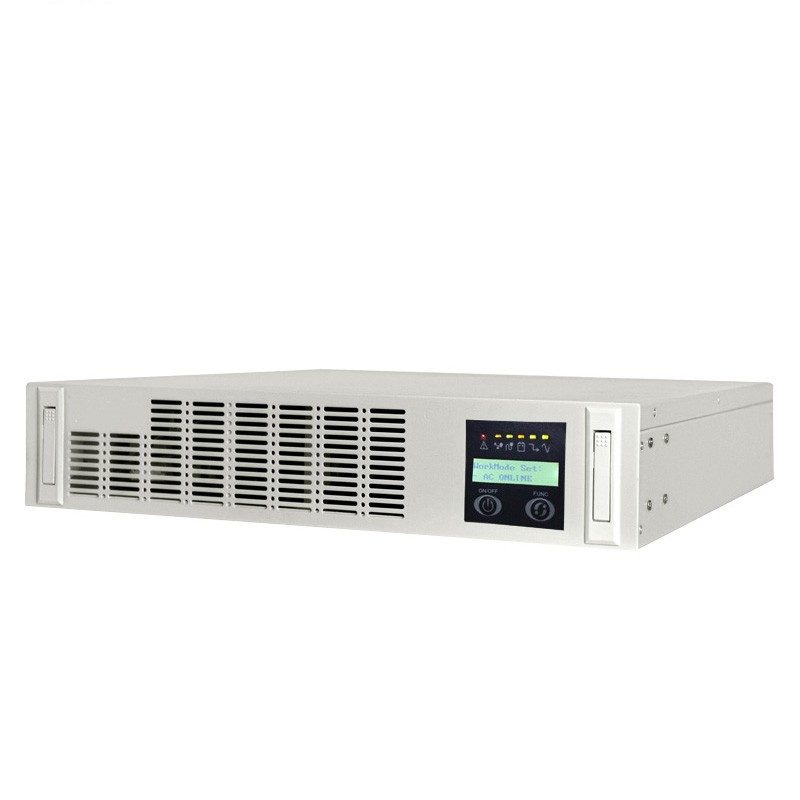 Product photo
- Brand
- THTAK (our own line)
- Type
- Pure sine wave inverter (rack-mount)
- Typical use
- Vehicles, off-grid, solar, long-runtime backup
- Models covered
- H1-10K rack inverter (DC 24 / 48 / 110 / 220 V input)
- Category
- Inverters / Rack-mount inverters
From our own production line
The H1-10K is built in our Shenzhen factory, which makes its specification negotiable in the ways that matter for mobile and off-grid work: input voltage window, output sockets, protection class, conformal coating. Tell us the duty and we build to it rather than making the duty fit the catalogue.
Sizing, properly
Send us the load list — each device, its running current, and anything with a motor or compressor noted. We size continuous power and peak inrush, propose the DC bank, and quote the complete DC-to-AC chain. Sizing before quotation is free.
Key features
- Rack chassis — mounts in a standard 19-inch cabinet
- Multiple DC inputs: 24 V / 48 V / 110 V / 220 V (by model)
- AC output 110 V / 230 V (by model and setting)
- Pure sine wave output — safe for all classes of electronics
- Built for vehicle, off-grid, solar and long-runtime duty
- Combines with a battery bank into a standalone supply system
Where it fits
Vehicles and mobile equipment
Fed from the vehicle's 24 V or 48 V bank, delivering mains-quality AC to on-board equipment.
Off-grid and solar
Paired with panels and a battery bank to form a supply independent of the grid.
Long-runtime backup
When the requirement far exceeds a UPS's normal runtime — a battery bank plus inverter does the job.
Frequently asked questions
Inverter or UPS — which one do I need?
Why does peak power matter more than continuous?
Related models & accessories
THTAK D1 / D2 / D3 kVA
Online UPS units designed for non-220 V sites. Order the wrong voltage variant and the equipment simply cannot be plugged in.
View detailsC&D LBTY series
The value of a long-life specification is not on the datasheet — it is in the answer to how many times you replace it in ten years.
View detailsLD4830 series
A lithium option for 48 V systems — lighter, smaller and longer-lived, provided the BMS and the charging design are right from the start.
View detailsSpecifications
| Type | Pure sine wave inverter |
|---|---|
| DC input | 24 / 48 / 110 / 220 V (by model) |
| AC output | 110 / 230 V (by model and setting) |
| Form factor | Rack-mount (10 kW class) |
| Output waveform | Pure sine wave |
| Continuous and peak power | By model — inrush must be calculated |
| Protection | Overload, over-temperature, short-circuit, low-voltage (by model) |
| Applications | Vehicles, off-grid, solar, long-runtime backup |
Specifications follow the manufacturer's latest data. Actual configuration must be sized against the site load, required runtime and distribution environment — this table is for selection reference only.